| 
___________________________________________________
Newsletter
Please
follow link below to our latest newsletter:
Newsletter
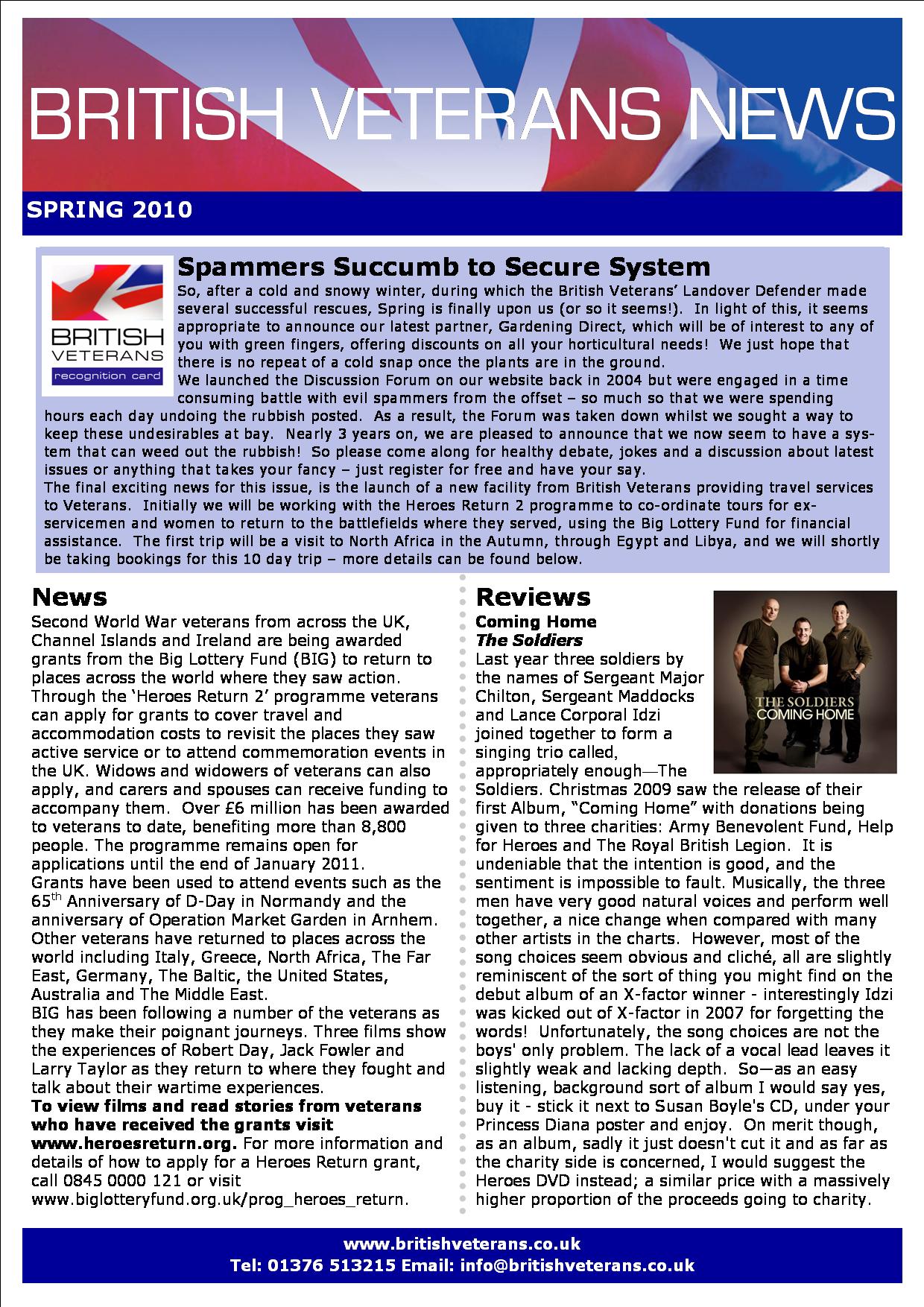
Spring 2012
___________________________________________________
70th Anniversary of George
Cross to Malta
The Maltese
Culture Movement in the UK are marking the 70th anniversary of the
awarding of the George Cross to Malta with a service and Maltese
fair on Saturday 14th April 2012. There will be a service at 11
am at The Sacred Heart of Jesus & St Peter tyhe Apostle, 356
London Road, Waterlooville, Hampshire, PO7 7SR. Any who have served
in Malta, or those with a relationship with the military history
are welcome to attend.
The
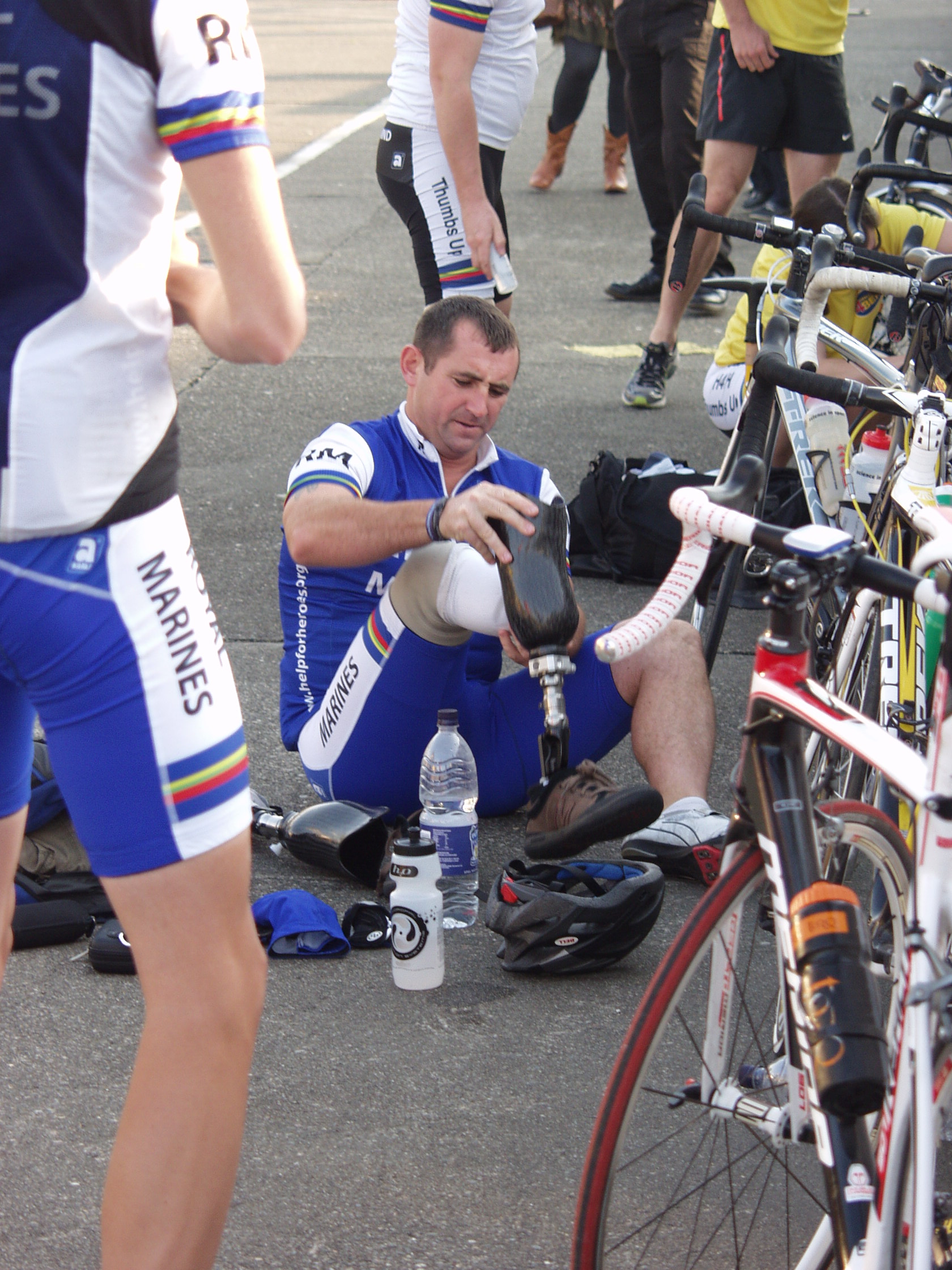
Great Manx Challenge - He Did It!!!
It
hurt – but what an achievement.....
If
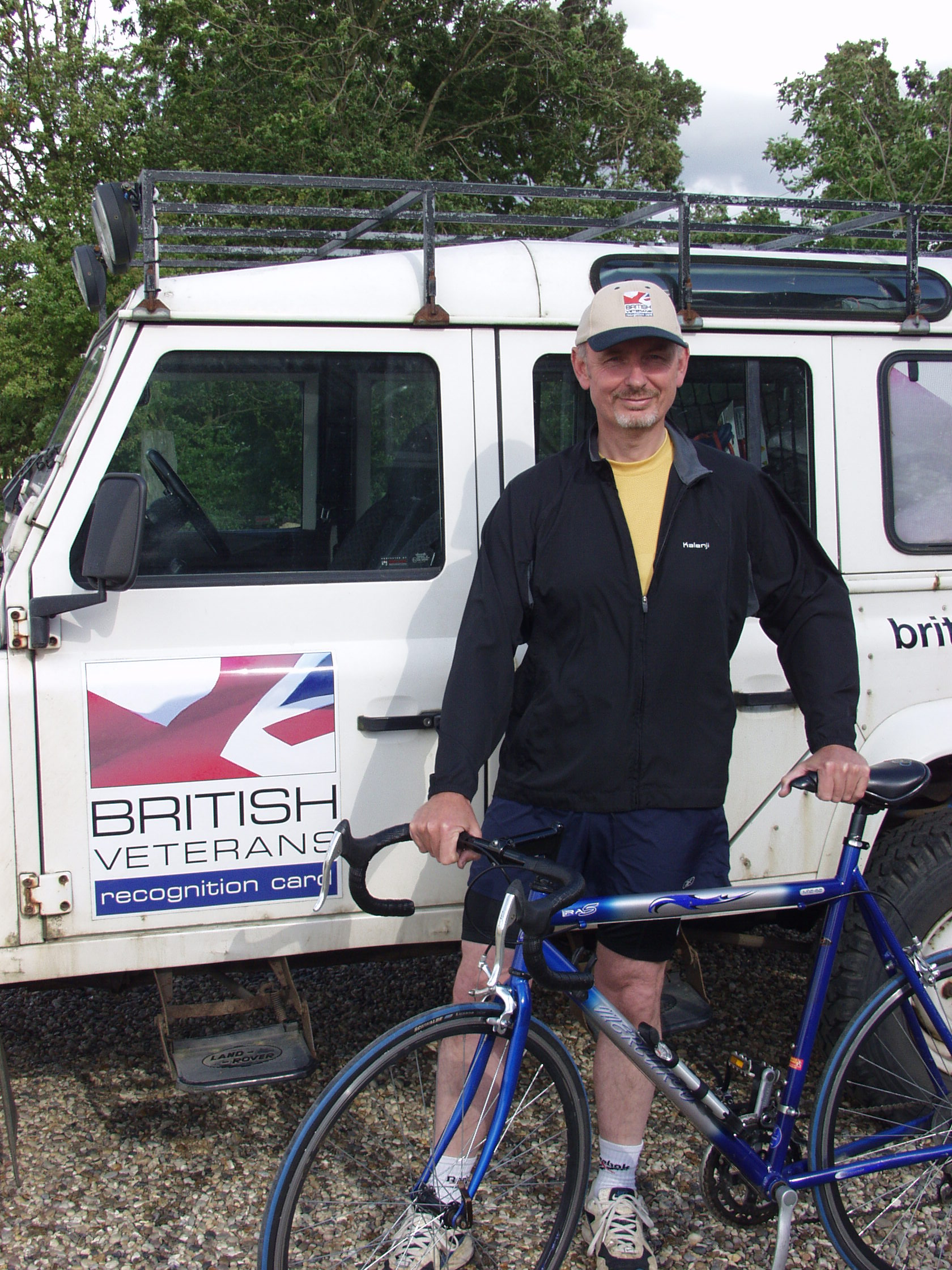
you don't know what I am talking about – our director, Simon Lamb,
recently took part in a charity pursuit bike ride around the Isle
of Man TT Course against a team of Royal Marines and in aid of the
Special Boat Service Association.
Below
is his account of the day
(donations
are still being accepted)
Well
organised, great people and a very emotional hill!
We
actually performed very well against the Royal Marine Poole Team
arriving at the base of the mountain climb just outside Ramsey at
the 26 mile point with them just finishing the 8 mile climb. As
a result we were not lapped and could have done another 26 miles
before being caught – which incidentally would have been the start
of our second attempt at the hill and their third. At that point,
we would have all given in!!!
The
organisation was brilliant, Police involved and a car at the front
and back of each team. We actually prepared the bikes in the Isle
of Man TT pit lane, which is a permanent fixture, starting across
the actual start line.
Whilst
we were the amateurs, there were some experienced bikers and a couple
of very quick guys in the team. The TT course is very undulating
with the first real hill coming at about 10 miles - which I found
difficult but manageable and at that point we agreed to split into
2 groups; 2 women and a civilian amputee who were finding the hills
slow to the rear, and the rest at the front. Well in my month of
preparation, I have never ridden so quickly but arrived in Ramsey
feeling just about OK. What I hadn't realised is that the 8 mile
climb up the mountain actually starts in the town, no gentle lead
in, no visual clues, you just come round a corner and there it is,
uphill constantly for the next 8 miles. And the first 2 miles are
the steepest, taking in the notorious Hairpin and the Mountain Mile.
Having had to stop for traffic lights in the town, I was slightly
detached but came across one of our team at this point, hunched
over his bike wheezing! So I did the honourable thing and stopped.
We then biked and walked together up the steep 2 miles. I have to
say that I struggled massively at this point, energy expended and
lactic acid in the legs.
Fortunately
my daysack was in the following car and I had chance to use the
energy gels, have a banana and drink. The gels kick in after about
10 minutes and by that time we were just cresting the steep bit
with only another 6 miles of climb to go. The transformation was
huge and we cracked on at a pace to be met by our quicker riders
coming back down to find us. I then got what cycling is all about
– we rode as a peloton with the better riders shielding against
the wind and we achieved a cracking pace up the mountain. Energy
restored and mind back on track, I actually enjoyed the climb to
the summit!
And
then different challenges as you begin the descent – two miles down
a very steep straight hill. We were clocked by the following car
at over 50mph – which was interesting. Do I brake and chicken out
or just go for it – well you have to don't you.
So,
no real soreness, a few aches and pains but all in one piece. It
was great to meet and ride with some fantastic people, we raised
over £10,000 for the Special Boat Service Association and
riding the Isle of Man TT Course on a bicycle was an awesome experience.
The Challenge
was made ...
The
question was innocuous enough – “would you like to join me on a
bike ride?” So asked my old friend, and I thought it was a lovely
idea to ride through the countryside with him one afternoon. And
it was for charity! Only when I had committed myself to joining
him was it revealed that the gentle pedal was in reality a pursuit
race around the Isle of Man, on the TT Course, and we were racing
Team Marine! So the training has begun.
The
two teams in the race are Team Marine from RM Poole, and our totally
amateur and under-exercised team from “Challenge4Ben” which was
established in memory of Royal Marine Benjamin Poole who tragically
died on 28 th July 2008. Team Challenge4Ben includes Ben's family,
friends and supporters, whilst Team Marine is made up of both serving
and retired personnel, together with servicemen wounded in action,
some of whom are amputees.
Team
Marine aims to lap Team Challenge4Ben and the distance Team Challenge4Ben
has completed before being caught on the 37.75 mile course is the
distance for which sponsorship is being sought.
The
event will take place on Friday 30th September 2011 and if anyone
would like to sponsor this aging Pongo, it will be greatly appreciated.
Donations can be made to us here with all proceeds going to the
SBSA, supporting men and families from the Special Boat Service.
___________________________________________________
Newsletter
Please
follow link below to our latest newsletter:
Newsletter
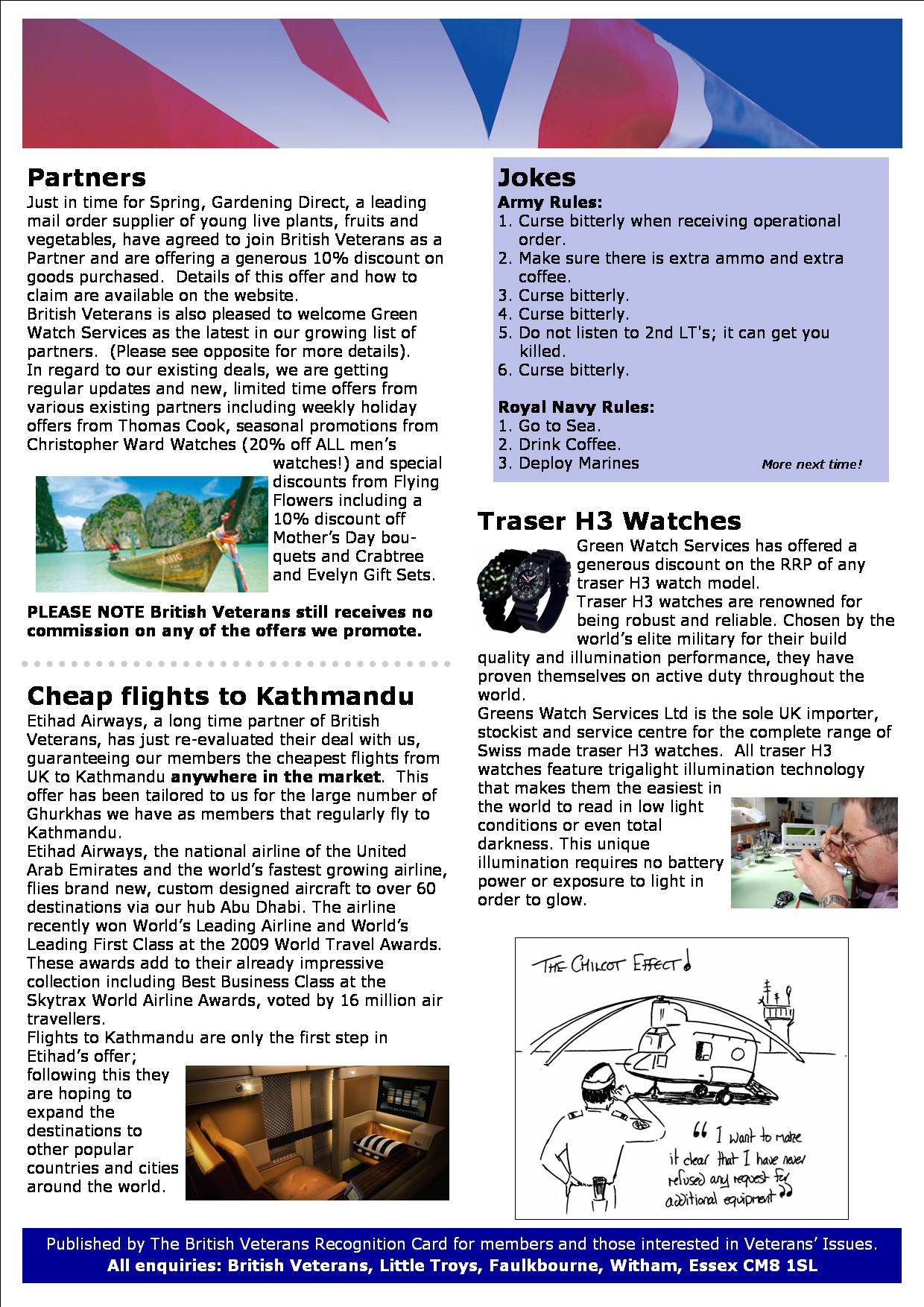
Summer 2011
___________________________________________________
English
Heritage Appeals for Memories to mark 70th Anniversary of the Dunkirk
Evacuation
Were
you one of the 338,000 troops plucked to safety from the Dunkirk
beaches 70 years ago during the dramatic ten-day evacuation masterminded
from the Secret Wartime Tunnels hidden deep below Dover Castle ?
In
a major project to capture first hand memories of these dark and
desperate days of war – before it is too late – English Heritage
has launched a nationwide search for veterans and those who played
a part in the rescue mission, which became known as ‘the miracle
of Dunkirk'.
From
those who risked their own lives to sail the 920-strong fleet of
Royal Navy ships, commercial vessels and ‘little ships' – fishing
boats, cabin cruisers and the like - in the perilous evacuation,
to the women who filled countless sandwiches to welcome home the
exhausted troops, English Heritage is seeking personal accounts
which will to bring this pivotal wartime event to life…and keep
it forever…for future generations.
Their
recollections will form the backbone of a new exhibition which opens
in 2011 in the Secret Wartime Tunnels, headquarters of Vice Admiral
Bertram Home Ramsay, who directed the complex and dangerous evacuation,
codenamed Operation Dynamo.
“Sadly
time is running out for us to get first hand accounts of these desperate
days when the situation for our troops seemed hopeless and the threat
of invasion by Germany was very real. The evacuation of Dunkirk
is one of history's most significant and moving events and remains
a symbol of pulling through against tremendous odds and achieving
the unachievable – the rescue of 338,000 troops in just ten days,”
said Senior English Heritage historian Paul Pattison.
English
Heritage has placed advertisements in national and regional press
around the country to track down as many people as possible to tell
their stories. And a Memory Box - a video recording booth -
opens at the Secret Wartime Tunnel complex on Friday May 28, to
start a week of events and activities marking the anniversary at
Dover Castle .
The
Memory Box will be in place at Dover Castle throughout the year
to collect personal experiences and recollections for use in the
new exhibition, which will give future visitors a more detailed
and intimate insight into Operation Dynamo and its impact on the
war and those who lived through it. Those unable to visit in
person can record their memories online at www.english-heritage.org.uk/dunkirk
Some
of those contacting English Heritage with their stories will also
be invited to attend a commemorative service at the castle on Friday
June 4, the final day of the rescue mission, when wreaths will be
laid at the statue of Admiral Ramsay which looks across the English
Channel towards France .
Those
with a story to tell about the Dunkirk evacuation – or people who
hold accounts passed down in letters or diaries from relatives or
friends through the generations - are also urged to visit Dover
Castle to record them in the Memory Box.
___________________________________________________
Newsletter
Please
follow link below to our latest newsletter:
Newsletter
Spring 10 - 1
Newsletter
Spring 10 - 2
___________________________________________________
Lottery Funding to help
veterans return to Civvy Street
Army veterans are to receive
lottery funding to help ease the transition from military to civilian
life.
The Big Lottery Fund will
launch its Forces in Mind programme with £35m.
It intends to establish an independent trust to provide long-term
support for those who served in conflicts including Iraq, Afghanistan
and the Gulf War.
Experts say returning to "Civvy Street" can lead to issues
such as depression, family trauma, substance misuse, homelessness
and in some cases suicide.
While the money has been allocated, it has not yet been decided
exactly how it will be spent.
The fund said it had been consulting with service and ex-service
organisations to help identify where it can best meet the needs
of bodies supporting veterans and their families.
But it said it would be looking to assist existing organisations
which help veterans in areas such as housing, employment, training,
personal finances, homelessness and mental health.
It also aims to fund research into issues affecting ex-service people.
The chairman of the Big Lottery Fund, Sir Clive Booth, said: "For
some the after-effects of making the transition from a career in
the forces do not always present themselves in an obvious way or
even immediately.
"Supporting organisations that can make a real difference to
the reintegration into civilian life of the men and women who have
served their country is a real and pressing priority for us."
About 19,000 service personnel return to civilian life each year
and it is estimated that there are about five million veterans in
the UK.
The Big Lottery Fund distributes profits from the National Lottery
to good causes and projects.
It has already provided funding for older veterans, but Sir Clive
said: "Now we want to also focus on more recent veterans and
their families, including returnees from Iraq and Afghanistan, by
putting in place this long-term support."
This article was taken
from BBC News http://news.bbc.co.uk/1/hi/uk/8554383.stm
___________________________________________________
Britain's WWI Survivors
Claude Stanley Choules
was thought to be the last living WWI veteran, until the recent
discovery of an ex WRAF found to be living in the UK. Mr Choules
was a seaman from World War I, and is the last veteran in the world
to have served in both World Wars. At the age of 108 and living
in Perth, Australia, he is also the last veteran in Australia.
When discovering this fact about himself last year, he shrugged
it off, telling an Australian Newspaper: "Everything comes
to those who wait...and wait."
Born in Pershore in March,
1901 Claude "Chuckles" Choules served with the Royal Navy
after joining the HMS Impregnable in 1916 aged 15. Despite
a 41 year career that spanned both Word Wars and despite serving
on HMS Revenge, witnessing the surrender of the German Imperial
Navy (1918) and the scuttling of the fleet in Scapa Flow, Choules
describes war as "mostly very tedious, puctuated by moments
of extreme danger."
In 1926 he was seconded to the Australian
Navy and remained in the force for 30 years before retiring.
Still, he always told his children that , although war had moments
of drama and terror, it was boring for most of the time. Mr
Choules was believed to be the last surviving WWI veteran until
recently, when Florence Green was brought to light by a British
correspondent for the United States-based Gerontology Research Group.
Mrs Green is also 108 and, being born in February 1901 takes the
title of oldest WWI veteran. Florence Green served in the
WRAF in 1918 as a waitress in the officers' mess during the war
and, although she did not see the front line action, the charity
Veterans Aid said that she qualifies as a veteran of the war.
___________________________________________________
Newsletter
Please
follow link below to our latest newsletter:
Newsletter
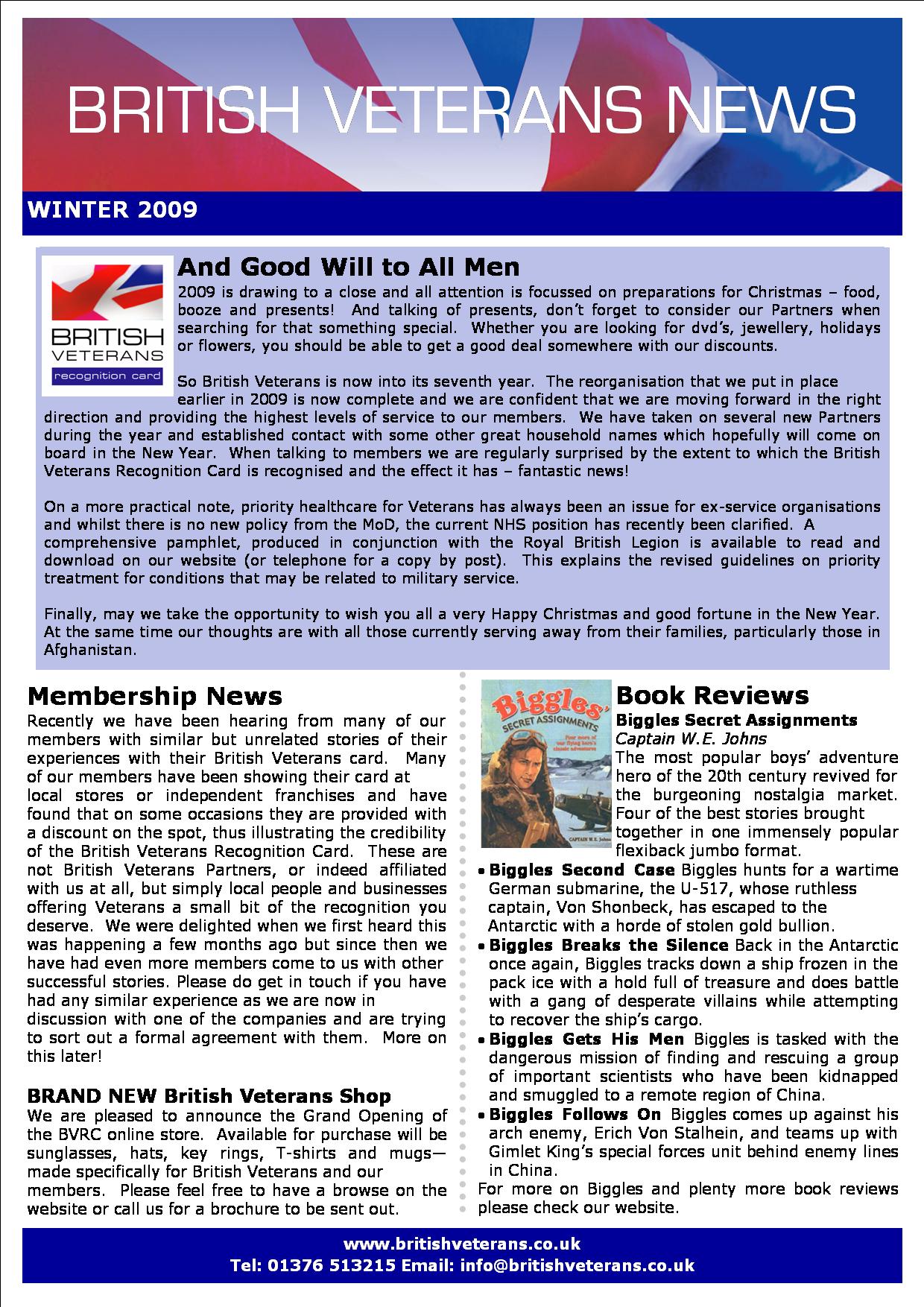
Winter 09 - 1
Newsletter
Winter 09 - 2
___________________________________________________
Petition
10th
December 2009
We
have recently received word of a new
campaign to recognise and dedicate a statue in Trafalgar Square
for all those that served in Iraq and Afghanistan. If you
wish to sign this petition please follow the link below.
http://petitions.number10.gov.uk/TributeToForces/
___________________________________________________
Priority
Treatment Guidelines for Those in Receipt of a War Pension
8th December
2009
Priority
healthcare for Veterans has always been an issue for ex-service
organisations and whilst there is no new policy from the MOD, the
current NHS position has recently been clarified. A comprehensive
pamphlet, produced in conjunction with the Royal British Legion
is available to read and download by following the link below.
Meeting
the Healthcare Needs of Veterans in England
___________________________________________________
Newsletter
Please follow
link below to our latest newsletter:
Newsletter
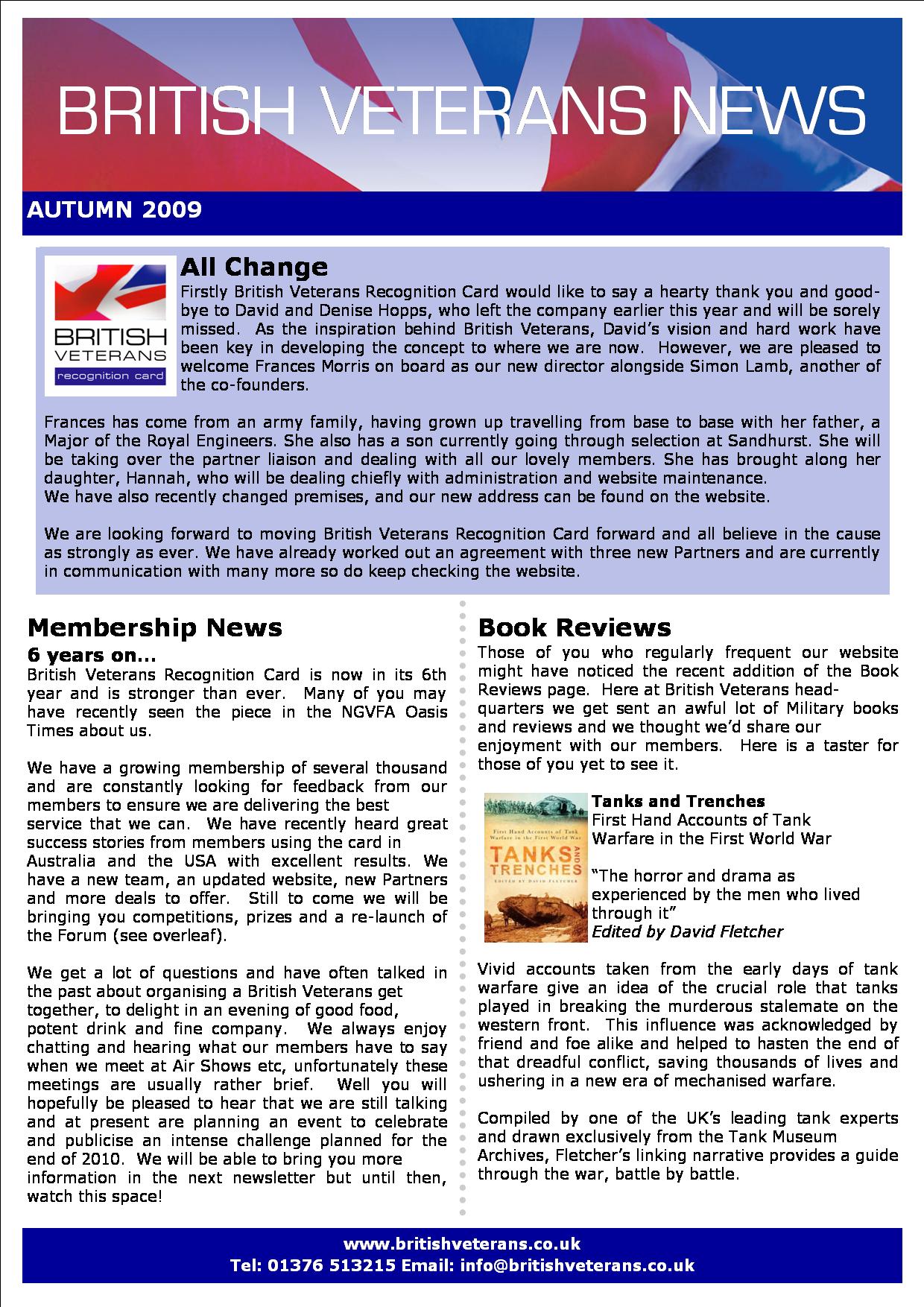
Autumn 09 - 1
Newsletter
Autumn 09 - 2
___________________________________________________
Goodbye
Henry
1
August 2009
A
bit of sad news as we say goodbye to our oldest member Henry Allingham.
Mr Allingham died in his sleep at his home on 18 th July this year.
At 113 he was the oldest ever British male and was declared the
world's oldest man earlier this year.
Mr
Allingham was the last surviving member of the RAF founders, the
last man to have witnessed the Battle of Jutland and the last surviving
member of the Royal Naval Air Service. He was the face of the First
World War Veterans Association and made frequent public appearances
to ensure that awareness of the death and destruction of WWI was
not lost to modern generations. He received many honours and awards
for his First World War services and his longevity.
He
attributed his long life to “cigarettes, whisky and wild, wild women”.
Souds like our kind of veteran!
___________________________________________________
Bevin
Boys Badge
10
April 2008
Men
who were conscripted directly into the mines, those who opted for
mine work in preference to joining the Armed Forces, or those who
were in the Armed Forces and volunteered to become miners during
the period 1943-1948 were known as Bevin Boys.
The
Bevin Boys scheme was introduced in 1943 by the then Minister for
Labour and National Service, Ernest Bevin. The scheme ran between
1943 and 1948 and involved recruiting men to work in coal mines
during and immediately following World War II.
A
badge, similar to the Veterans Badge, is available to all surviving
Bevin Boys and formally recognises their work in the UK coalfields
during and immediately after World War II. The badge can only be
issued posthumously to the widows of men who died on or after 20
June 2007 and fall into the above category. This Badge is sponsored
by the Department for Business Enterprise and Regulatory Reform
(BERR) and is currently being issued on a rolling basis.
The
application form for the badge is now available and can be obtained
by calling the Veterans-UK Helpline 0800 169 2277.
___________________________________________________
100,000
War Veterans First In Line for Digital Hearing Aids
24 June
2007
Thousands of ex-servicemen
and women who damaged their hearing serving their country will no
longer have to face the ‘double insult' of not receiving a pension
for their war injuries and then waiting up to two years for a digital
hearing aid, thanks to a campaign by deafness charity RNID.
RNID, the
national charity changing the world for the UK's 9 million deaf
and hard of hearing people, estimates that more than 100,000 veterans
celebrating Veterans Day last month (27 June 2007) should now get
priority treatment for deafness caused by service, even if they
don't get a pension for their condition.
Up until
now, those with hearing loss below high government thresholds -
50 decibels in both ears - face NHS hearing aid queues of up to
two years.
But a government
statement in the House of Commons that all veterans will be given
priority treatment for war disability is a great boost to all Veterans.
RNID Chief
Executive Dr John Low said: “Having a hearing loss of 50 decibels
means that it's difficult to have a chat in a quiet room, listen
to the television or hear your grandchildren. After serving their
country and paying with their hearing, our veterans deserve better
than the double insult of no disability pension and long hearing
aid waiting times. Being first in line is the very least they deserve,
and fantastic news for Veterans Day. RNID is now calling on
the government to ensure that all 100,000 heroes are informed of
their rights.”
___________________________________________________
Blair
Departure Will Overshadow Veterans' Day
15 May
2007
This
year's Veterans' Day, a national celebration designed to thank today's
generation of ex-servicemen and women for their service to our country,
will be overshadowed by the planned departure of the Prime Minister,
Tony Blair.
Mr
Blair announced his departure plans on Thursday 10 May, indicating
that his last day in office would be Wednesday 27 June. This coincides
with second official Veterans' Day introduced by this Government
as a day to ensure that, on the 27 June each year, the nation recognises,
understands and commemorates veterans' contribution to society.
His departure and the appointment of his successor will inevitably
be the lead story in the media and, as a result, ‘bury' any news
about Veterans' Day.
Simon
Lamb, Director of British Veterans Recognition Card, comments: “I
find the decision by the Prime Minister to depart Number 10 on Veteran's
Day to be grossly insensitive. No other country would instigate
a national celebration of ex-servicemen and women one year and then
deliberately overshadow it the next. There can only be one of two
reasons for the clash of dates. Either the 27 th was selected without
appreciating that it was Veterans' Day, which indicates a degree
of incompetence by the Prime Minister's office, or it was selected
in the knowledge that it was Veterans' Day and therefore staff understood
the consequences to this national celebration. Either way it provides
a clear indication of the importance that Mr Blair places on Veterans'
Issues.”
The
clash is somewhat ironic since it was Gordon Brown who announced
the introduction of Veteran's Day, in a speech to The Royal United
Services Institute (RUSI) on 13 February 2006, in which he declared
that: “Former servicemen and women will be presented with ‘medals'
on 27 June to ensure their contribution was “never forgotten” and
that veteran status is to be extended to those who have served in
more recent conflicts.”
Mr
Lamb continues: “The introduction of a Veterans' Day fitted neatly
into a revised strategy for veterans issued last year by the Veterans'
Policy Unit. It was broadly welcomed by ex-servicemen and women
who make no demands but feel that their service to this country
warrants greater recognition every day, not just on one day of the
year. It seems that in this country, we exclude veterans from the
Service community but find it difficult to acknowledge them as civilians.
This clash of dates will be seen as a snub by many.”
-ends-
'Veterans
Badges'
15
June 2007
We
regularly receive requests for information about how to acquire
a Veterans' Lapel Badge which, when launched, was being issued by
the Veterans Agency to those who served in the two Great Wars. We
have been informed that eligibility has now been widened to include
those who served in the inter-war years and those who served between
the end of WW2 and the 31st December 1994. To apply for a badge
you will need to apply to the Veterans Agency and there are a number
of ways to contact their office:
Free
Helpline: 0800 169 2277
Overseas
callers: +44 1253 866043
Email:
help@veterans-uk.info
Write
to:
Service Personnel and Veterans
Agency
Norcross
Thornton-Cleveleys
Lancashire
FY5
3WP
Or download
an application form from their website;
www.veterans-uk.info/vets_badge/vets_badge.htm
rolex datejust rolex calibre 2836 2813 m126284rbr 0024 le signore pink dial automaticoE-Juice smagsvarianter
Veterans'
Day Highlights 364 Days without Recognition
22 June 2006 - News Release
Next
week sees the introduction of the first Veterans' Day, a national
celebration designed to thank today's generation of ex-servicemen
and women for their service to our country. Whilst it is meant to
ensure that, on 27 June each year, the nation recognises, understands
and commemorates veterans' contribution to society it will only
serve to highlight the other 364 days without recognition.
At
the end of their service, most men and women leave the Forces and
successfully integrate back into civilian life. For all, the final
act of handing in their identity card constitutes a complete severance
from a unique way of life and a loss of identity. Some maintain
contact with colleagues through the many ex-service associations
and for the few who face difficulties, there is advice and support
available from the many excellent ex-service charities. For the
majority, however, a national Veterans' Day and a veterans' lapel
badge will neither confer day to day recognition nor offer pro-active
support.
Simon
Lamb, Director of British Veterans Recognition Card, comments: “In
this country we seem to exclude veterans from the Service community
but find it difficult to acknowledge them as civilians. Our treatment
of younger ex-servicemen and woman still lags well behind many other
countries where service to their country actually means something.
The obvious example is the United States where veterans receive
daily recognition of their status but I was recently surprised to
learn that veterans of the Nigerian Navy receive free priority health
care for the rest of their lives. Society must understand that servicemen
and women have agreed to put their life on the line for more than
just one day and we owe them all a debt of gratitude. Why can't
we give something back more often?”
The
introduction of a Veterans' Day fits neatly into a revised strategy
recently issued by the Veterans' Policy Unit. The announcement was
made by the Chancellor, Gordon Brown, in a speech to The Royal United
Services Institute (RUSI) on 13 February this year, in which he
declared that: “Former servicemen and women will be presented with
‘medals' on 27 June to ensure their contribution was ‘never forgotten'
and that veteran status is to be extended to those who have served
in more recent conflicts.”
Mr
Lamb continues: “We speak to many hundreds of veterans who make
no demands but feel that their service to this country warrants
greater recognition not just on one day, but on every day of the
year. Whilst they acknowledge that this initiative announced by
the Chancellor is a step in the right direction they believe much
more can and should be done. University students seem to get better
recognition in this country and it is not helped by Mr Brown talking
about ‘extending veteran status' when this government has already
defined the term ‘Veteran' to mean all those who have served in
the UK Armed Forces whether Regular or Reserve.”
A
new scheme, which recognises the commitment shown to their country
by all ex-servicemen and women, has been acknowledged as a valuable
addition to the support currently available to Veterans. The British
Veterans Recognition Card, established because there was a demand
for a card which was not being answered by the Ministry of Defence,
acts as an “identity” card and also provides a range of important
benefits. One of the early card holders, Colonel Bob Stewart, veteran
of Bosnia said: “This card gives recognition to a special group
of people, those who have served their country before themselves.
I believe that all Veterans should be proud of their former service
and be recognised for it. At the same time the card has the advantage
of cutting down on the cost of living and helping to raise the quality
of their lives.”

|